

Driving Innovation and Efficiency
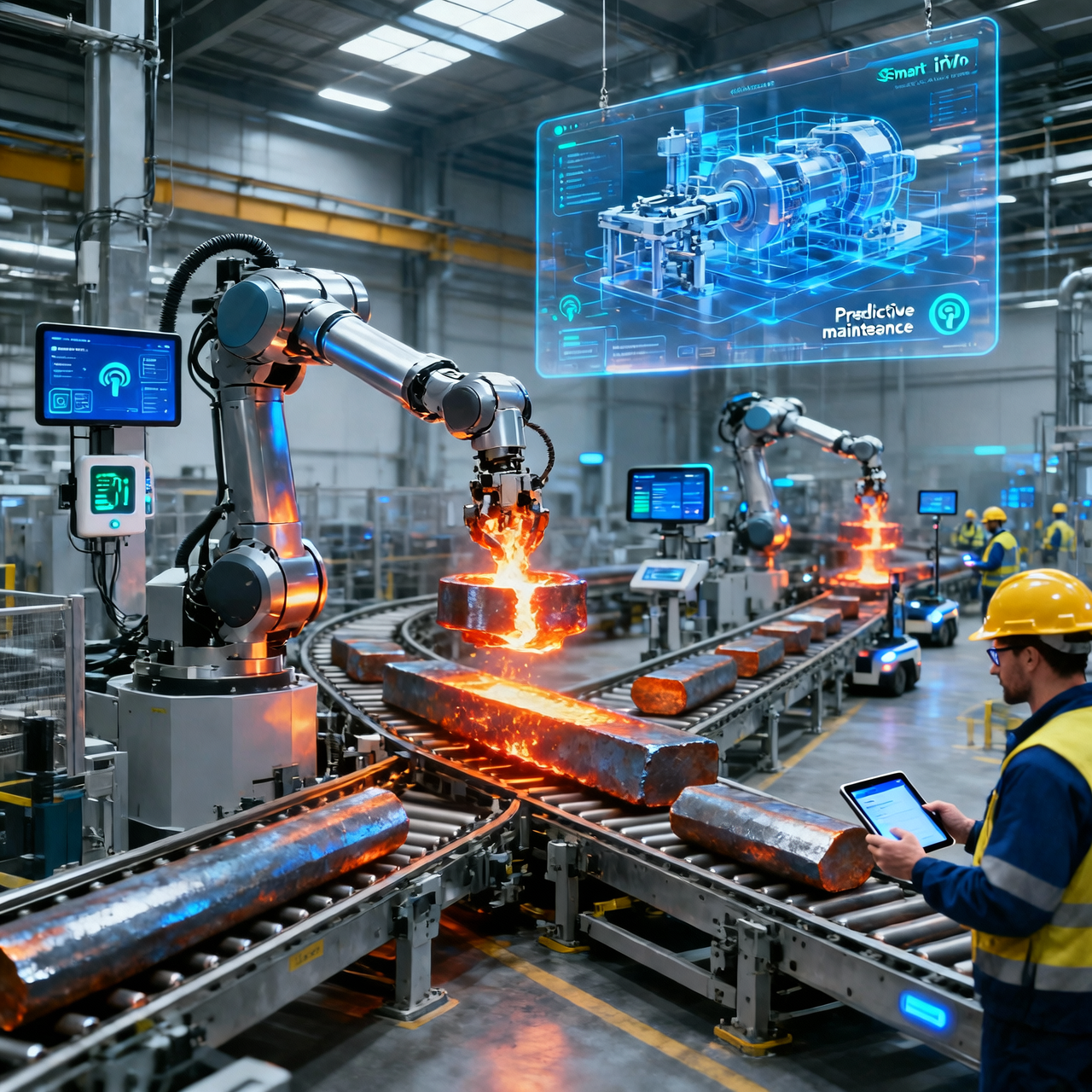
Smart Factory Implementation is the cornerstone of modern manufacturing, combining automation, IoT, and data-driven systems to optimize production processes. It involves integrating smart machines, robotics, and real-time monitoring to enhance productivity, reduce downtime, and ensure consistent quality. Effective smart factory solutions enable manufacturers to respond quickly to market demands, minimize waste, and maximize operational efficiency. Key components include predictive maintenance, process automation, digital twins, and advanced analytics, all designed to create a flexible, adaptive, and highly competitive manufacturing environment.

“Smart factories don’t just produce more—they produce smarter.”
Calvin Carlo – Project Head
Project Challenges
Implementing a smart factory requires significant investment, careful integration of technology, and employee training. Manufacturers must address challenges such as system interoperability, data security, and maintaining operational continuity during upgrades. With the right strategy, smart factories enhance competitiveness, improve quality control, and position companies for long-term growth in a rapidly evolving industry.
- Integrate automation and IoT for seamless operations.
- Use predictive maintenance to reduce downtime.
- Adopt data analytics for informed decision-making.
- Ensure workforce training for new technologies.
- Implement robust cybersecurity measures.
- Continuously optimize processes for efficiency and quality.